

After a summer break, I’m looking forward to getting back into one of my favorite New York routines: exploring new gallery shows and, almost every time, discovering a gallery I’ve never been to before. The possibilities seem endless.
A few shows on my list are Noah Jemisin at Donald Ryan Gallery, Rita Ackermann at Hauser & Wirth, Melissa Joseph at Charles Moffett, and Hun Chung Lee at R & Company.
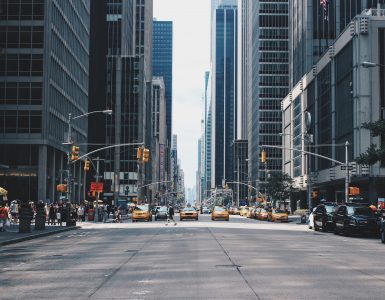
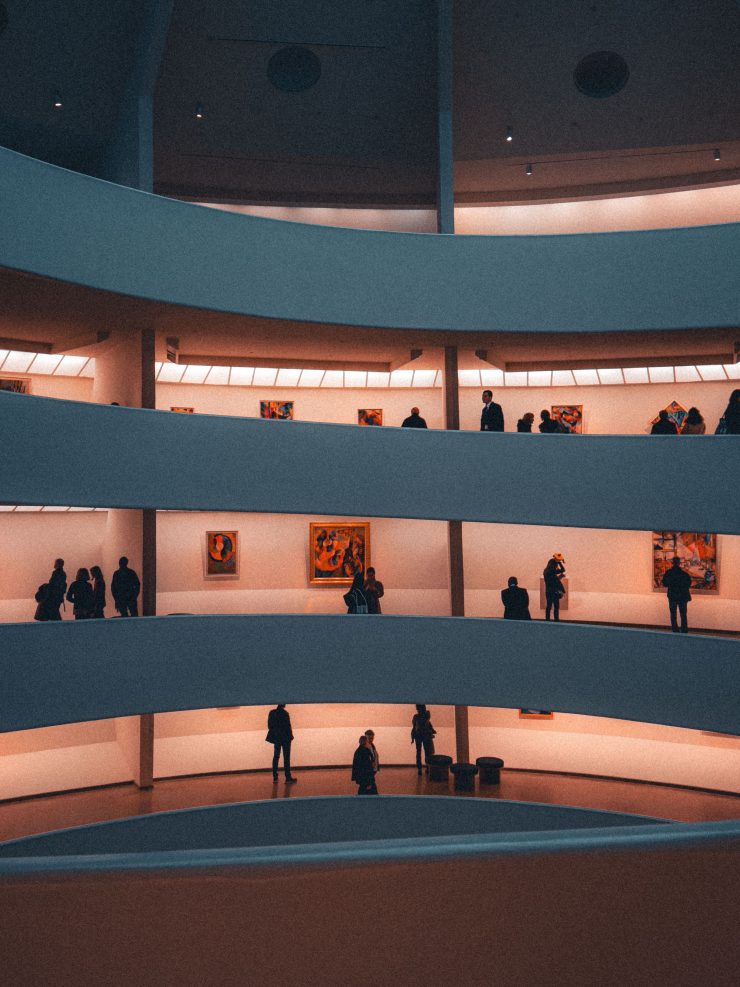
There is something particularly interesting about experiencing art in New York because the city itself is so visually dense. Moving from the street into a gallery creates an immediate shift in scale, light, sound, and pace. The gallery becomes almost a pause within the city. It is a controlled space where material, proportion, and composition can be experienced more closely.
Of course, Wednesday and Thursday evenings are made for moving between gallery openings, but I actually prefer visiting at a quieter time, when the spaces are less crowded and you can take your time with the work. You start noticing the smaller things: how a sculpture sits within a room, how light falls across a surface, or how the space around an object becomes almost as important as the object itself.
Last week, I visited one of my favorite museums, The Isamu Noguchi Museum in Queens. For my previous job, I spent quite a bit of time researching Noguchi’s work, and the last time I visited was already three years ago. It felt overdue. What I love about the museum is that Noguchi’s sculptures are not simply displayed in a gallery. They are in constant conversation with the architecture, the garden, the light, and the surrounding industrial neighborhood. His work feels incredibly quiet, but never static.
That visit also made me even more excited for the upcoming Brancusi exhibition at MoMA, opening October 25. Noguchi studied under Brancusi in Paris, and you can see traces of that influence in his approach to reducing form to its essential qualities. Both artists were interested in simplicity, material, and the relationship between an object and the space around it. Yet Noguchi developed those ideas into something distinctly his own, moving between sculpture, furniture, landscape, and architecture.
I’m especially curious to see the Brancusi exhibition not just as a collection of sculptures, but as an exploration of his entire creative environment. Bringing together his work with photographs, furniture, tools, and elements from his studio should offer a glimpse into how he thought about making, displaying, and living with objects. For me, that connection between art, space, and everyday life is what makes both Brancusi and Noguchi so fascinating.