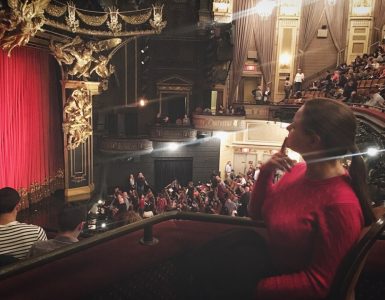



During the winter season, my mom and my aunt came to visit me in New York. Moving through the city with them changed the way I experienced places I already knew well, not because they became emotional, but because they became more deliberate.
When people visit, I tend to take them to familiar routes. Neighborhoods I know how to navigate, streets that make sense logistically, places that work well regardless of weather or crowds. On paper, the experience repeats itself. In practice, it never does.
The holiday season adds a subtle layer to the city. Lighting, temporary installations, adjusted schedules, and heavier pedestrian activity slightly alter how space is used. Streets slow down. Certain areas become more performative, while others feel unexpectedly calm. Even familiar places require a different kind of attention.
What stood out to me was how adaptable the city is. New York absorbs visitors without reorganizing itself entirely. It stretches its infrastructure, public spaces, and circulation patterns just enough to accommodate increased activity. The city doesn’t pause, but it recalibrates.
Showing the city to my mom and aunt also highlighted how routine shapes perception. I wasn’t pointing out landmarks as much as explaining how things work. How neighborhoods connect, why certain streets feel more active, how movement changes depending on time of day or season. Their questions made me articulate things I usually take for granted.
From an architectural perspective, the experience reinforced how cities are understood through use rather than form. Seasonal change doesn’t transform New York physically, but it changes how it is occupied. That shift is subtle, but powerful.
Experiencing the city during the holiday season wasn’t about celebration. It was about observing how New York continues to function, adapt, and accommodate different rhythms without losing its structure.